
KUM OFFSHORE // TSF SERVICES

    TAILINGS STORAGE FACILITY INVESTIGATION

    Physical sampling from locations that conventional investigation equipment cannot easily reach.

    Shallow clarification ponds. Very soft exposed tailings. Frozen surfaces. Remote access.

    Representative undisturbed core from known locations and depths.

    Access, recovery, specimen handling and laboratory support in one service.

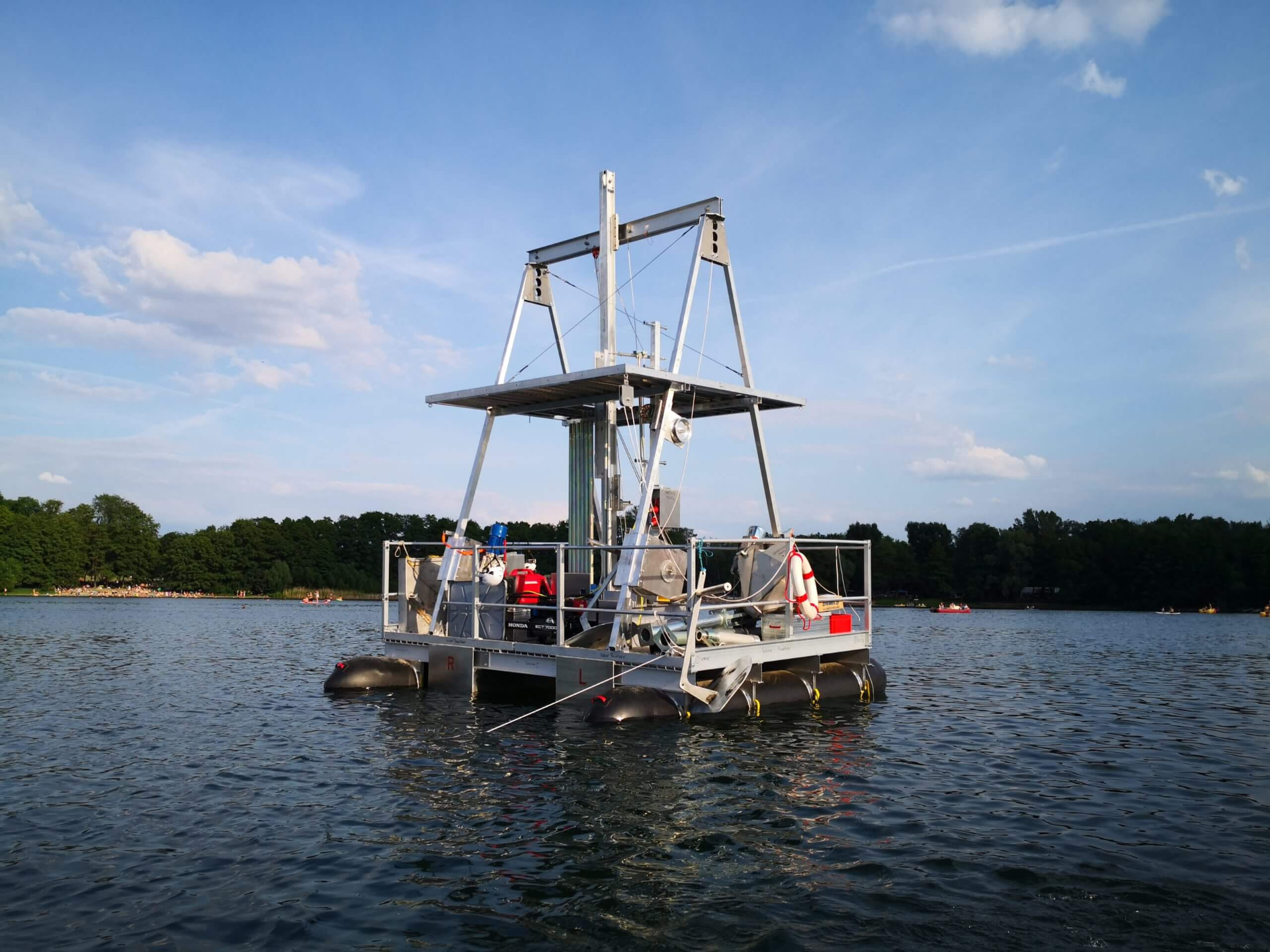
    KUM OFFSHORE shallow-water TSF access platform
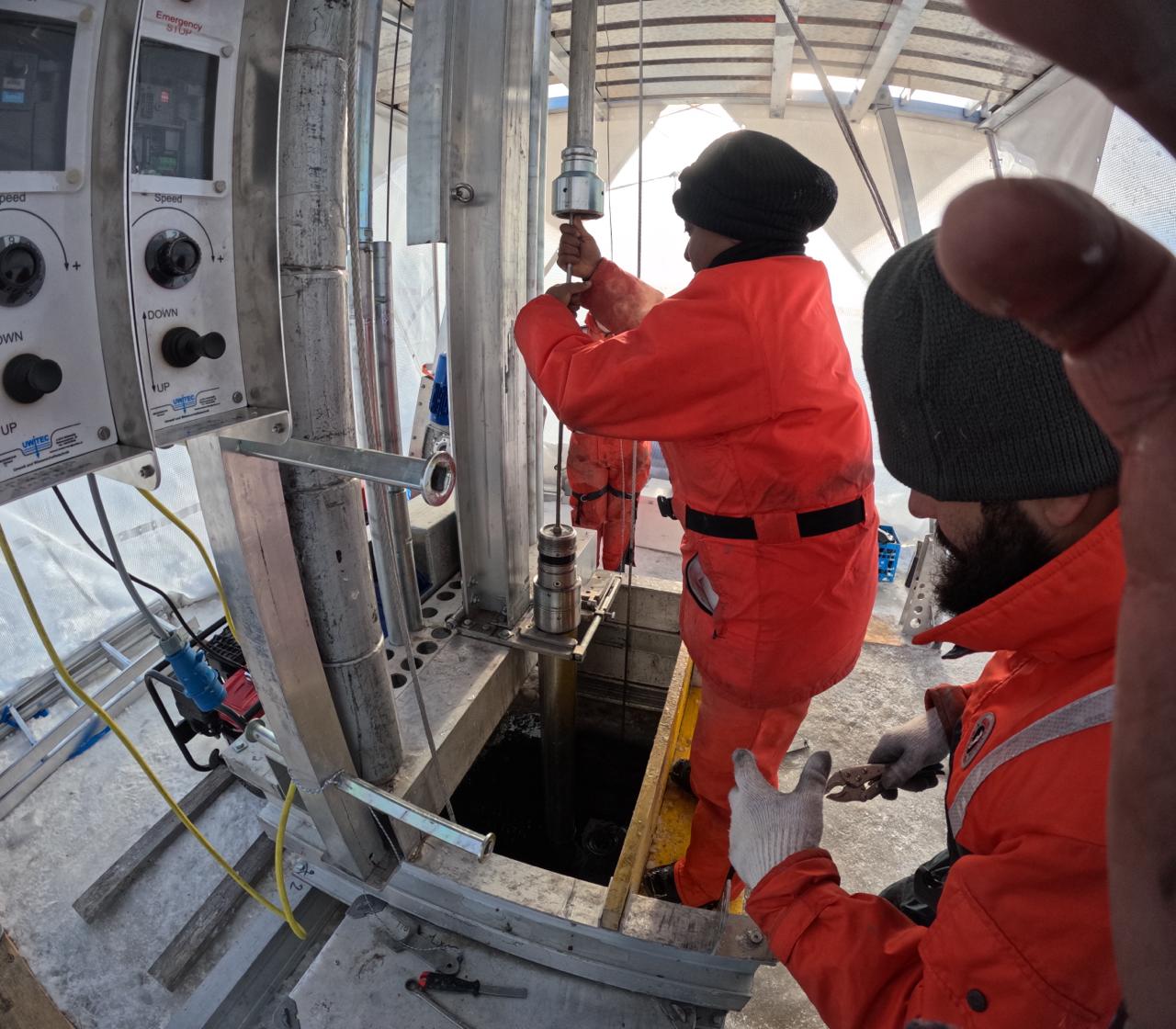
    KUM OFFSHORE depth-controlled physical sampling operation
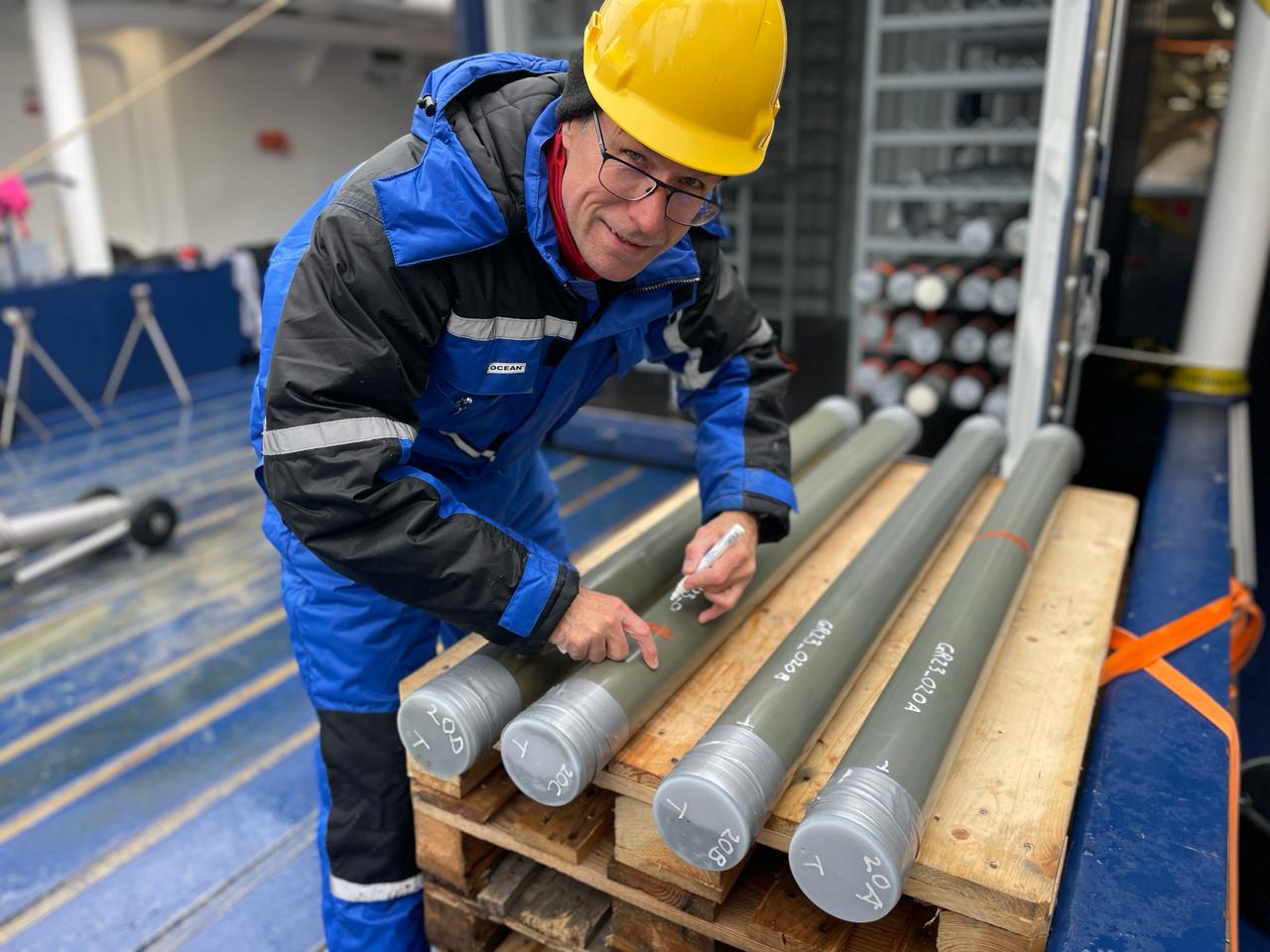
    Recovered core specimens prepared for laboratory testing

    YOU ALREADY HAVE THE DATA. NOW GET THE MATERIAL.

    YOUR DESIGNER OF RECORD DEFINES WHAT PHYSICAL SPECIMENS ARE NEEDED. WE RECOVER THEM.

    // THE SERVICE

    THREE COMPONENTS

    // OVERVIEW

    TAILINGS FACILITY PHYSICAL INVESTIGATION

    Modern tailings management relies on detailed site characterisation, monitoring and a continuously developing technical knowledge base throughout the life of the facility. International frameworks such as the Global Industry Standard on Tailings Management (GISTM) formalise this approach and place increasing emphasis on understanding the materials, conditions and behaviour within a TSF.

    CPT, CPTu, SCPTu, piezometers, instrumentation, monitoring and geophysical methods can provide extensive information about a tailings facility. Where physical characterisation or laboratory testing is required, however, you still need representative material from a known location and depth.

    // KEY FEATURES

    TSF INVESTIGATION CAPABILITIES

    01

    ACCESS TO DIFFICULT INVESTIGATION POINTS

    On dry, stable and accessible ground, conventional investigation equipment may work perfectly well.

    The difficult locations are different: shallow clarification and reclaim-water ponds, where there is too much water for trucks and crawler-mounted equipment but not enough for conventional boats or barges; swampy ground; very soft exposed tailings; transitional surfaces; wetlands; remote areas; and frozen environments.

    These conditions are not unusual, and the solutions are well established. We select the appropriate combination of access method, working platform and sampling equipment for the job.

    02

    RECOVERY ACROSS DIFFERENT MATERIALS

    A TSF profile may include extremely soft, water-rich or slurry-like tailings, silts and clays, loose and dense granular material, more competent unconsolidated deposits and the underlying natural foundation.

    We use different recovery systems for different ground conditions, from compact equipment for extremely soft deposits to substantially more powerful systems for dense unconsolidated and weakly cemented formations.

    The choice of equipment follows the material, target depth and required specimen.

    03

    DEEP PHYSICAL RECOVERY

    Where deeper physical investigation is required, we recover depth-controlled, high-quality undisturbed core while preserving the stratigraphic sequence through the investigated profile.

    Changes in material, interfaces, thin layers and other features can be physically observed and documented at their correct depth.

    Where required, recovery can continue through deposited tailings towards the underlying natural foundation, subject to the material encountered and selected recovery system.

    04

    FROM IN-SITU DATA TO PHYSICAL EVIDENCE

    TSF engineering may need to consider undetected weak materials, unexpected pore pressure generation in foundation or embankment, liquefaction of cohesionless soils, cyclic softening of cohesive soils, weak materials in structural portions of the dam, and post-peak / liquefiable strengths in tailings and foundation.

    Physical sampling provides actual material from a known location and depth for examination and laboratory testing.

    You have the in-situ data. We give you the material itself.

    05

    SPECIMEN HANDLING

    Getting the core out of the ground is only part of the job.

    Handling depends on the required testing, the distance to the laboratory and the condition in which the specimen needs to arrive. Some programmes require selected intervals; others require the complete recovered sequence to be retained.

    We recover the specimen in the condition required for the next stage.

    06

    LABORATORY SUPPORT

    We can work with your existing laboratory chain or bring the laboratory closer to the sampling point.

    Where an on-site laboratory is the better solution, we can provide a fully equipped mobile geotechnical laboratory configured for the required programme, including triaxial, DSS, cyclic testing, consolidation/oedometer, permeability, classification and associated specimen preparation and logging.

    Your laboratory, an external laboratory or a laboratory at site. We fit the sampling and testing chain around the project.

    // HOW IT WORKS

    YOU DEFINE THE REQUIREMENT. WE DEFINE THE PRACTICAL WAY TO DELIVER IT.

    You tell us where.

    We determine how to reach it.

    You tell us what specimen is required.

    We select the recovery system.

    You tell us the target depth.

    We select the penetration and recovery method.

    You tell us when.

    We determine the practical access method for the site and season.

    You tell us where the specimen goes next.

    We arrange the handling, transport and laboratory route.

    Your Designer of Record defines what physical specimens are needed. We recover them.

    // GET IN TOUCH

    CONTACT A SPECIALIST

    Have a difficult TSF sampling requirement? We are ready to carry out a pilot.

    Tailings and foundation. Undetected weak materials. Weak materials in structural portions of the dam. Material for assessment of post-peak / liquefiable strength, liquefaction, cyclic softening and other laboratory testing.